
Picking what goes into cabinet walls shapes everything else during a kitchen redo including durability, look, and even how well it handles damp air. Solid timber often feels like the go to choice, though many now compare its classic feel with the tight consistency of Medium Density Fibreboard. Even if hardwoods ruled workshops for generations, lab made panels have caught up where conditions get tricky. Heat shifts and wet spells change how fibbers behave inside cupboards over time. Looking closely at each type reveals which one stands stronger under the daily rhythm of your home.
1. The Traits of Solid Wood Cabinets
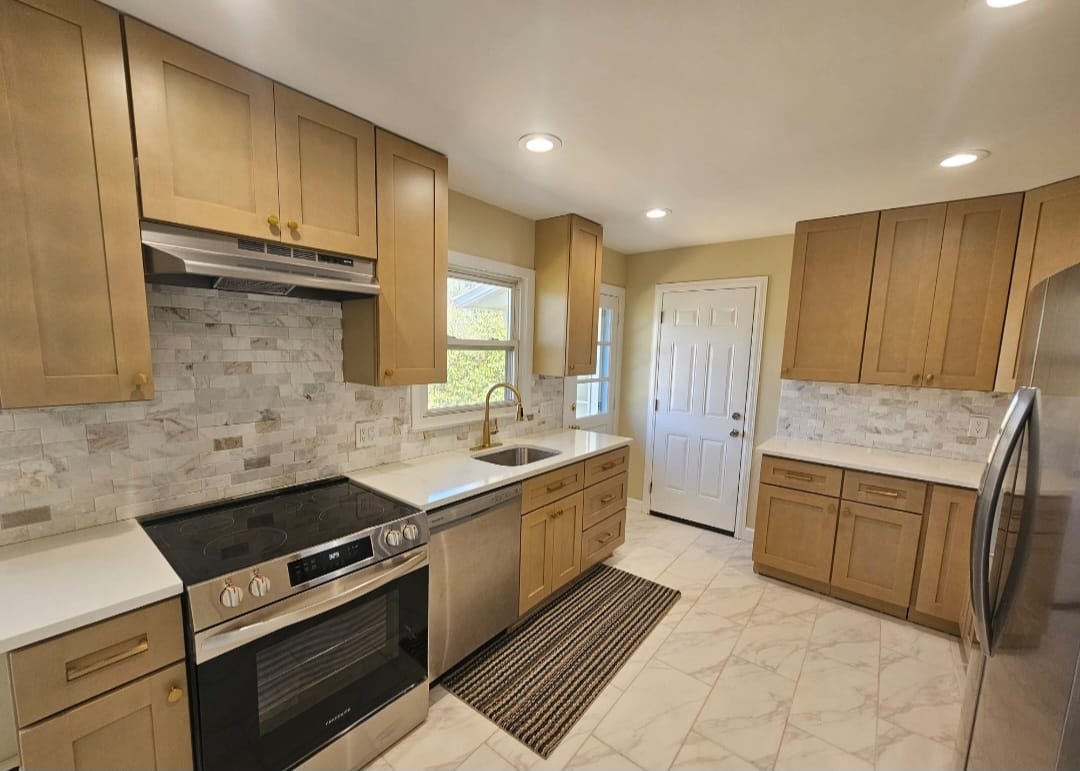
Wood that comes from trees still tops most home choices when looks matter just as much as strength. Sourced often from dense types like maple, oak, cherry, or walnut, it carries one of a kind lines inside each plank. People value how easily it accepts colour treatments, bringing out where it began by being rooted in nature itself.
Heavy duty performance comes naturally to solid wood. Thanks to tightly packed hardwood fibbers, these cabinets handle thick stone tops along with stacks of pots and pans while staying rigid. When damage shows up in the form of scrapes, dents, or deeper cuts, smoothing them out by sanding works every time. A fresh finish brings things back like new, so longevity turns into reality across generations. Still, being alive in structure means wood breathes with humidity and reacts when pushed. When moisture levels shift, it swells or shrinks which is known as wood movement. Tiny gaps may appear in joints after years of that shifting, while cracks in paint quietly form along edges.
2. The Science Behind MDF Construction
Wood scraps get broken apart to make tiny fibbers. From there, those bits mix with wax along with a binding resin. Heat presses everything tightly, shaping it slowly into flat sheets. The result is a uniform board built layer by layer under intense pressure.
Heavy and compact, this material outweighs plenty of real timber types. Made by design rather than nature, its face holds no wood lines at all and maintains evenness from top to bottom. For coatings, that smoothness wins every time. Paint sits flat on MDF, while solid lumber often lets grain peek through underneath. The finish dries looking like still water and remains uniform across the surface. When it comes to heat changes, MDF holds its shape better than real wood. Since the fibbers face every which way, movement in one direction is not really possible. That means painted corners tend to stay intact longer down the road.
3. Moisture Resistance and Environmental Factors
Steam rises every time you cook. Sinks sit nearby and dishwashers can leak if they fail. Moisture stays in the air longer than you think, so a cabinet must resist constant dampness just to survive. What holds up today might sag next year unless it shrugs off wetness like rain on glass.
Wood that comes from trees handles dampness fairly well if it is coated with strong varnish or lacquer. A small spill might soak in slightly, yet after drying, the material often keeps its shape and strength. On the other hand, common MDF struggles badly with wet conditions. Once moisture slips past chipped paint or broken laminate, the inner layers drink it up and puff out in ways you cannot undo. Most pros pick damp resistant MDF when working on kitchens. Sealed right with high end coatings, it holds up strong as long as the shield stays unbroken against outside threats.
4. Aesthetic Finishes and Versatility
Picture how you want the kitchen to look before picking anything. One thing stands out more in modern designs, while another feels right at home in rustic ones.
Warmth lives in real wood when you choose a stain. Because grain runs deep, each piece looks different which is something manufactured materials never get right. Where carving matters, solid timber holds up better as thin edges stay whole instead of breaking off. The finish shows more soul here than anywhere else.
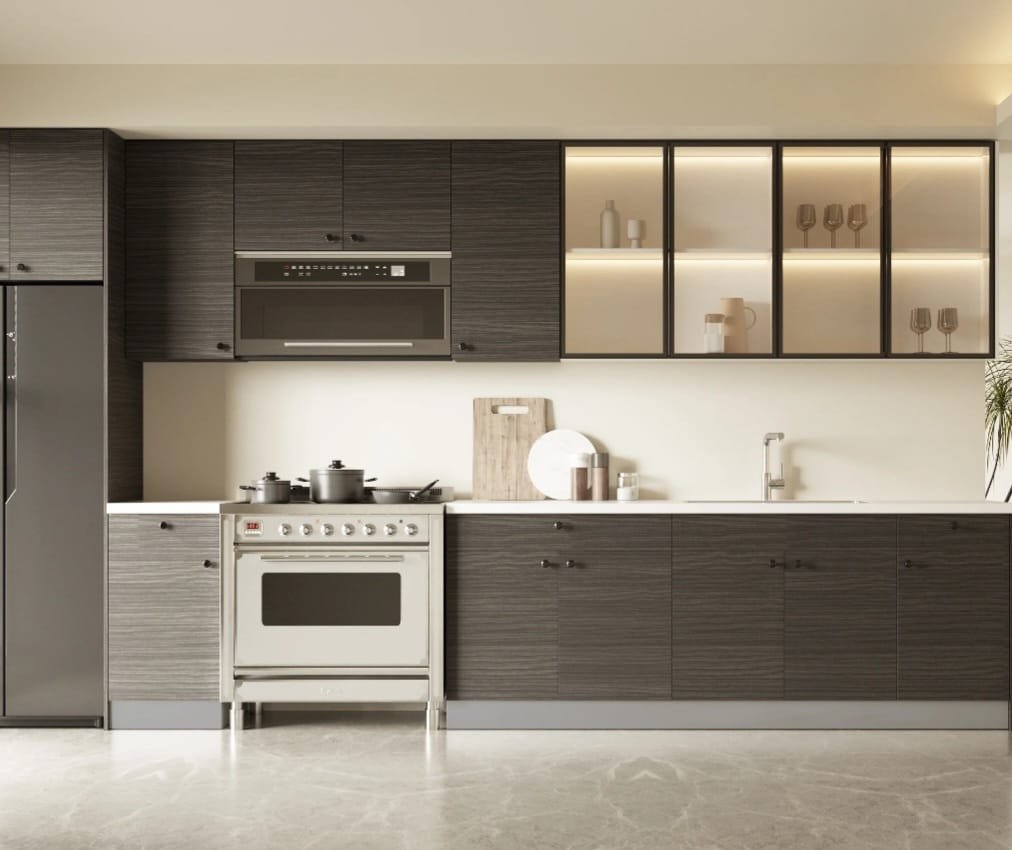
Paint jobs that aim for clean lines or bold colours often turn to MDF first. A flat face means coats go on evenly with no wood pattern showing through underneath. Some top kitchen setups mix materials smartly by using solid timber for the frame and MDF for the door core so paint stays intact when air moisture changes. Though different parts play distinct roles, each piece supports a finish that lasts.
5. Cost Efficiency and Long Term Value
Money limits hit nearly every renovation, yet some choose pricier options when durability matters most. Cost gaps show clearly once quotes arrive and choices shift based on what each person values.
Wood taken straight from trees feels heavy in your hands and demands extra work to cut, dry, and shape. Because of all those steps, you pay more at first. Yet years down the line, its worth shows because surfaces can be sanded and redone again and again when tastes shift. A blend made from leftover scraps represents the cheaper spot on shelves. Since factories pump it out fast and smooth, price tags stay low. Though cheaper at first, MDF resists repair when deep harm hits its face. Some people find that picking strong MDF frees cash to spend on premium appliances or stone counters instead.
6. Environmental Impact and Sustainability
Wood choices matter more these days when picking materials. While solid timber grows back slowly, MDF relies on processed fibbers. How they are made shapes their impact differently.
Wood from well managed forests keeps renewing itself over time. Cabinets made of solid timber lock away carbon as long as they last. Instead of tossing leftover bits, MDF turns them into something useful so every tree gets used more fully. However, it is important to watch out for glue as some binders release gases indoors. Picking brands that skip formaldehyde helps keep air inside homes cleaner. Lasting longer starts with what materials you accept at the start.
7. Conclusion
Which one works better comes down to how you want things to look and what you can spend. Built tough with grain that feels alive, solid wood fits right into classic kitchens where stain brings out depth. Smooth under paint and staying true without warping, MDF holds its own when cost matters just as much as form. Some of the smartest kitchen builds mix them together to use each where it performs best.
Picture how your kitchen should truly appear right down to the small details. Now offers a perfect opening to review what your room needs functionally. Reach out to Stone City for a Cabinet Material Consultation that fits your remodelling plans. When picking between real wood or manufactured options, our experts run thorough Durability Assessments on how long each lasts. See how it fits perfectly thanks to Precision Layout Tools that show exactly where everything goes. Get in touch now so skilled hands can design something strong and tailored for your space.