
Here begins where mornings start slow, the countertop catching light before anyone speaks. Not merely stone beneath chopping knives, yet also where mail piles up, toast burns, and water glasses leave rings. Style pulls one way, but real living tugs harder—daily routines shaping what lasts. Elegant marble charms at first sight though whispers demands each week with polish and caution. Alternatives emerge tougher and less fussy, standing firm when kids lean elbows full of crumbs. Over time, the surface keeps pace—not flawless, never brittle—with every recipe tried and every laugh shared nearby.
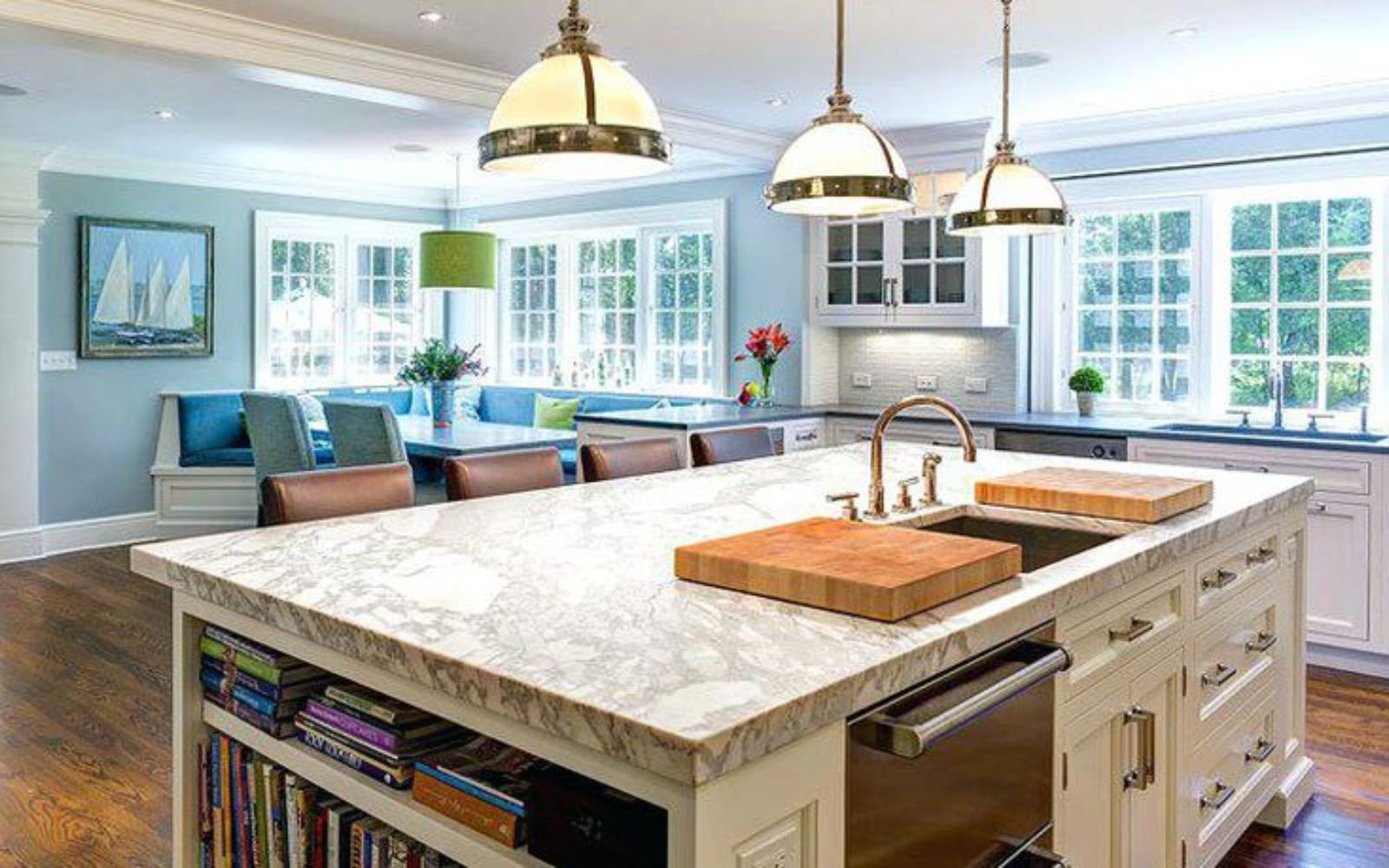
Natural Stone Options
Out of the ground they come, each slab carrying its own story. Unlike factory-made stuff, real stone never repeats itself. Every piece is different because nature does not copy.
- Granite: Heavy stone. Granite still tops the list when strength matters. Heat? Scratch marks? It barely notices them—few naturals compete here. Seal it once and spills slide off, mostly. But skip touch-ups and that shield fades over time. Look close. Swirls, speckles, veins—each slab plays out like buried weather. Solid weight settles into space, quiet but present.
- Marble: Cool under hand, marble draws bakers in with its smooth surface and flowing patterns. Yet this stone gives way easily, holding tiny holes that open up when acid meets it. Lemon, vinegar, even tomato will mark it without warning. Spills linger longer here than on tougher rocks, leaving shadows behind unless wiped fast. With years, marks pile into character; some call it warmth, others just wear. A quiet shift happens, unseen at first, then obvious in daily light.
- Soapstone: Smooth under your fingers, soapstone feels cool and dull to the eye. Because of its tight grain, it stands up well to high temperatures without reacting. Acids bounce off it like rain on glass—no damage follows. Soft by nature, it might show scrapes or small breaks over time. A quick sanding often makes those spots fade into the surface again.
Manmade and Modified Grounds
Out of today’s labs come new surfaces built to skip the usual troubles tied to real rock, standing steady where nature wavers. These lab-born options move through daily wear without surprise flaws. Uniformity shows up by design rather than chance. Handling feels familiar yet different—less fuss from the start. What once cracked or stained now resists with quiet strength. Precision shapes each slab, batch after batch. No two stones ever matched before; these do. Work flows smoother when guesswork fades away.
- Quartz: Starting with tiny bits of rock mixed into liquid plastic, quartz forms a countertop that hardly lets anything soak in. This means spills stay on top instead of sinking down, so messes do not get trapped inside. Sealing it? Not required ever. Stains have trouble sticking around. Scratches tend to avoid it too, along with unwelcome microbes. Since factories make each piece under controlled conditions, every panel looks just like the next one. But here is where caution steps in: extreme warmth weakens its glue-like base, meaning a scorching pot might leave harm if set straight onto the surface.
- Butcher Block: Warmth fills the room when wood counters catch the light. Glass items settle gently there, without fear of shattering. Chopping happens right on the surface—allowed nowhere else—but some choose cutting boards anyway, just to keep marks away. Oil applied often keeps splits at bay. Near sinks, moisture sneaks in unless seals stay strong.
- Concrete: Heavy underfoot, concrete brings an unpolished factory feel you can tweak with color or surface changes. Installation needs experts because of its weight alone. Sealing is necessary. Without it, spills leave marks, just like on stone. Over years, tiny fractures may appear when buildings shift slightly. Cracks happen. That is how it ages.
Durability and Maintenance Compared
Most times, it boils down to effort. When cooking fills your days and upkeep feels like a chore, quartz or granite rise to the top. Both keep pace with messy routines while staying mostly unmarked. For those drawn to character, where every stain holds memory, wood or marble bring warmth, asking only for moments of care now and then. A surface becomes more than function when it bears witness.
What lies underneath counts more than you might think. When it comes to cabinet surfaces, how much a material weighs plays a big role. Take concrete or dense slabs of granite—these bring serious load. That kind of mass asks for stronger frames beneath. Support has to keep pace with what is resting on top. A mismatch could mean trouble down the line.
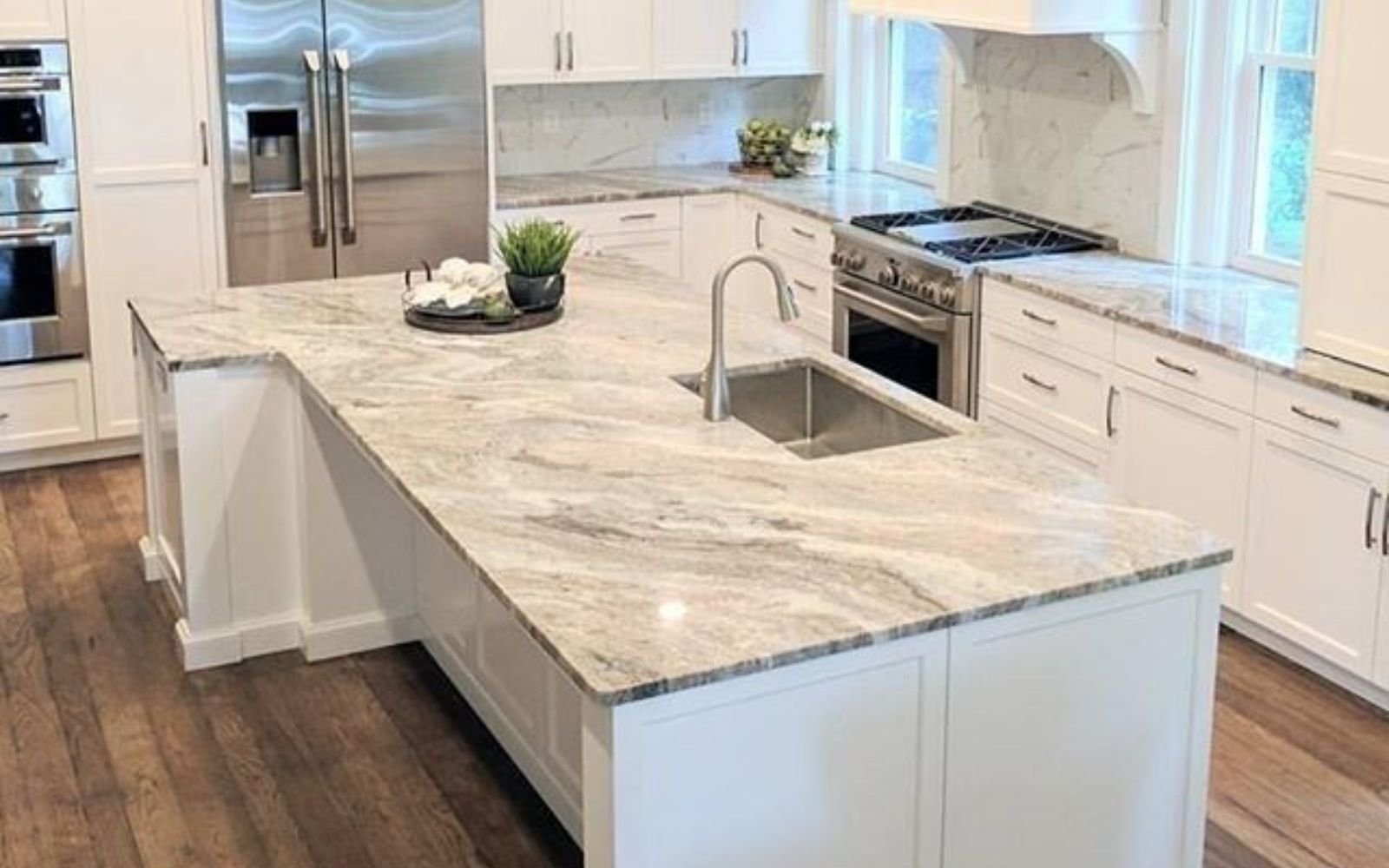
Making a Lasting Selection
Soon enough, the perfect countertop fades into the rhythm of everyday moments. Meals come together here, and conversations start here. Once set, it holds its ground, facing spills, steam, and heavy pots without giving in. Sitting above cabinets and bare floors, it claims more attention than anything else in the space. Choosing one is not about bold statements or trends, but how quietly it weathers routine wear. Over time, even when ignored, a good surface keeps supporting what happens below and around it.
Thinking About What Comes Next
Picture your kitchen’s future during the upcoming update. Choosing a surface might feel overwhelming. Stone City steps in by aligning materials with how you actually live. Instead of guessing from tiny swatches, real visits happen. Their team inspects your layout and light conditions directly through Site Integrity Audits. Using precise visual models like Detailed Visual Mapping, realistic renderings reveal how each option settles into your room long before installation begins. Begin gently. Connect with experienced people—they shape quiet answers while you gather strength. Out of stillness, thoughts begin—built by people who know how homes answer to touch. Calm settles in, not announced, just present. Quiet comes where motion once lived.